California's Official Outdoor Play
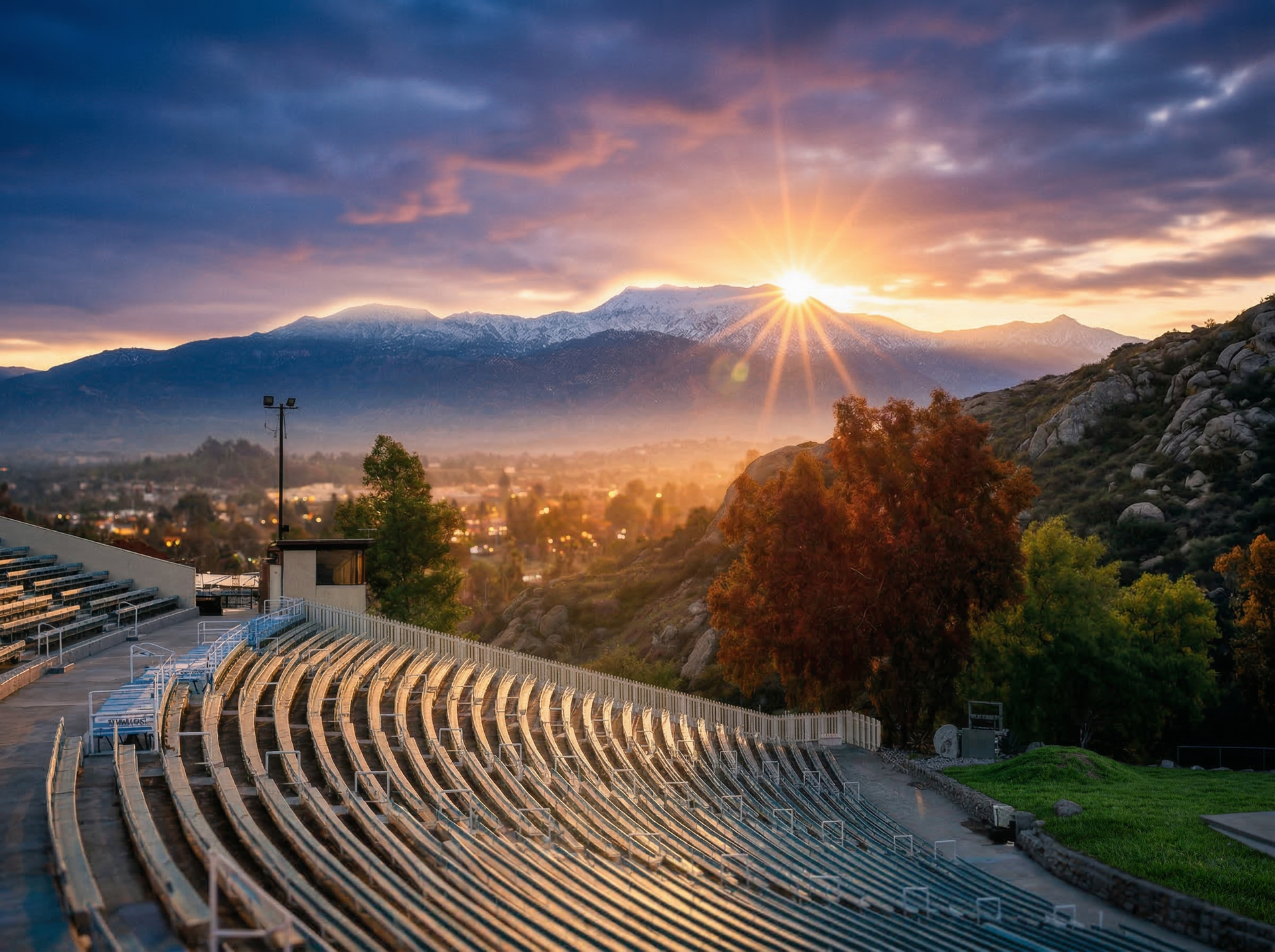
Since 1923, under the towering granite cliffs of a natural amphitheater in Hemet, California, something extraordinary has taken place each spring: the telling of a story that captures the soul of California itself. Ramona is not merely a theatrical production—it is a living monument to the Indigenous peoples, Hispanic communities, and early settlers whose collision of cultures forged the California we know today.
As the longest-running outdoor drama in the United States and California's Official Outdoor Play, Ramona stands as an unparalleled artistic and educational institution. For over a century, this production has brought Helen Hunt Jackson's novel to visceral life, immersing audiences in what she called "A Century of Dishonor"—the painful truths of displacement, cultural erasure, and the enduring resilience of those who survived.
Today, under the direction of our first Native American director, Ramona has evolved into something even more powerful: a work of authentic storytelling that honors Indigenous voices while examining the very foundations upon which California—and our nation—was built.
A Experience Unlike Any Other
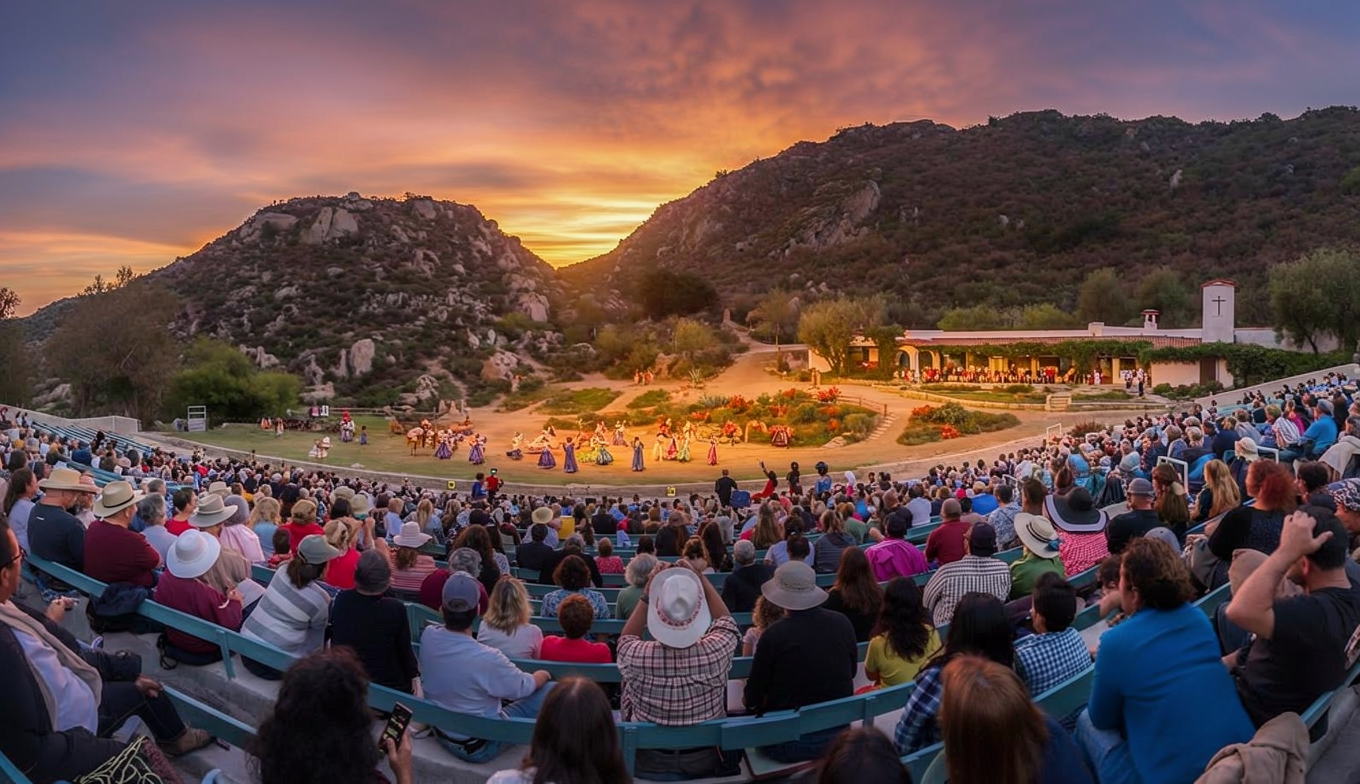
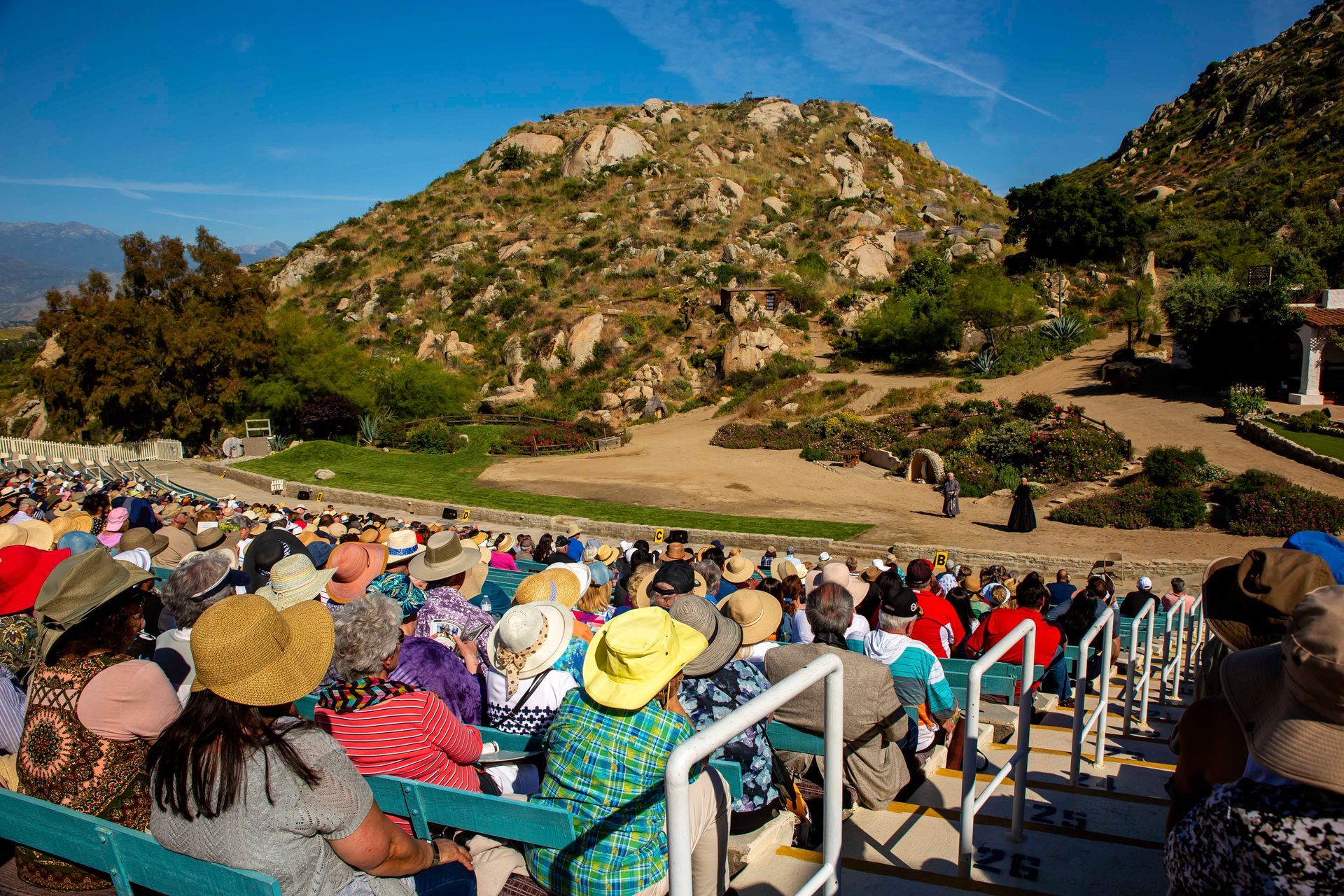
To witness Ramona is to be enveloped by history itself. The natural amphitheater becomes the stage. The thundering of horses' hooves echoes off ancient granite walls. Gunfire cracks through the evening air. Authentic music and dance transport audiences across time and cultures. More than 14,000 guests annually experience this multi-sensory journey through joy and anguish, love and loss, conflict and survival—emerging with a deeper understanding of the complex tapestry that is California's heritage.
Timely and Relevant
The significance of Ramona has never been more evident. This January, the documentary Ramona and the Ballad of Juan Diego will premiere at the Palm Springs International Film Festival, bringing renewed attention to this cultural treasure and its continued relevance in contemporary discussions of Indigenous representation, cultural preservation, and hist orical truth-telling.
Share this Article